
A cup of rice is not one fixed amount. A measuring cup holds 240 ml, a rice-cooker cup holds about 180 ml, and a katori differs from one steel set to the next. The same line in a recipe can mean three different plates.
Why do the cups differ?
- Measuring cup: 240 ml, the size most recipes online assume.
- Rice-cooker cup: about 180 ml, the small plastic cup that comes in the box.
- Katori: depends on the set. Fill yours with water and pour it into a measuring jug to find out.
- Handful: depends on the hand.
How much does rice grow when it is cooked?
Rice takes up water as it cooks. It roughly triples in volume, and its weight goes up about two and a half to three times. A cup of raw rice and a cup of cooked rice are therefore very different amounts of food.
How many calories are in a cup of cooked rice?
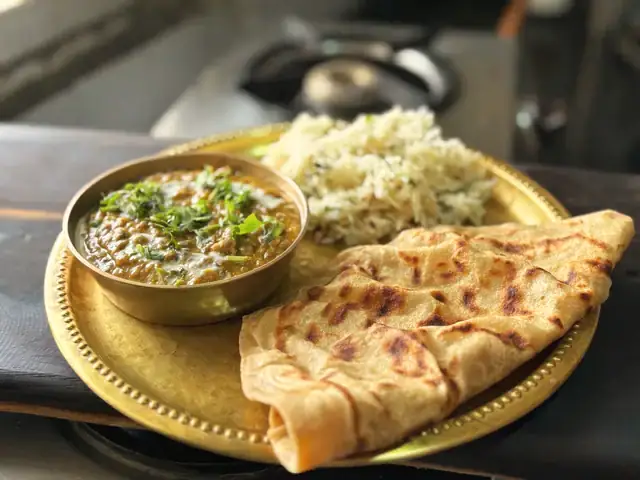
Cooked white rice is about 130 kcal per 100 g. A katori holding about 150 g is near 195 kcal, and a plate with two such katoris is near 390 kcal before the dal and curry. These are approximate figures, and your katori may hold more or less.
Is the number raw or cooked?
This is the question that settles most confusion. A diet sheet that says 60 g of rice usually means raw rice, which becomes roughly 150 to 180 g once cooked. A menu that says one katori of rice means cooked rice. Ask which one you are reading before you plate it.
Which measure should you use?
Pick one measure and stay with it. Measure your katori in millilitres once, weigh a level katori of cooked rice once, and write both numbers on a note inside the cupboard. The ICMR-National Institute of Nutrition publishes the Indian Food Composition Tables if you want the values for other foods, and the WHO healthy diet fact sheet covers the wider picture of a balanced plate.
See your own numbers.
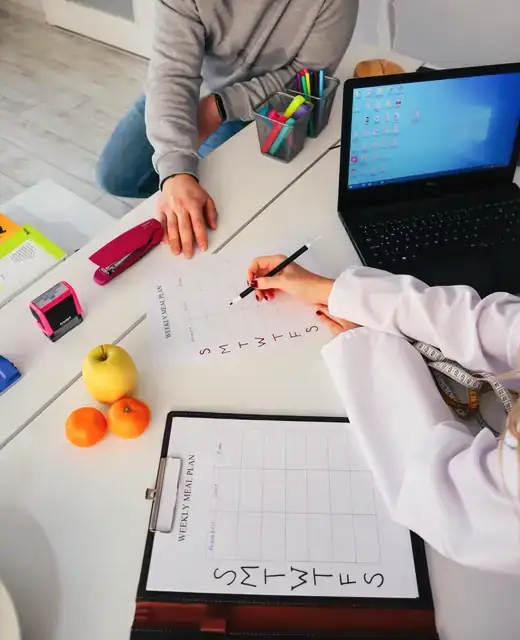
Take two minutes with the calculator, or ten minutes with a dietitian. Either way, there is no pressure.