
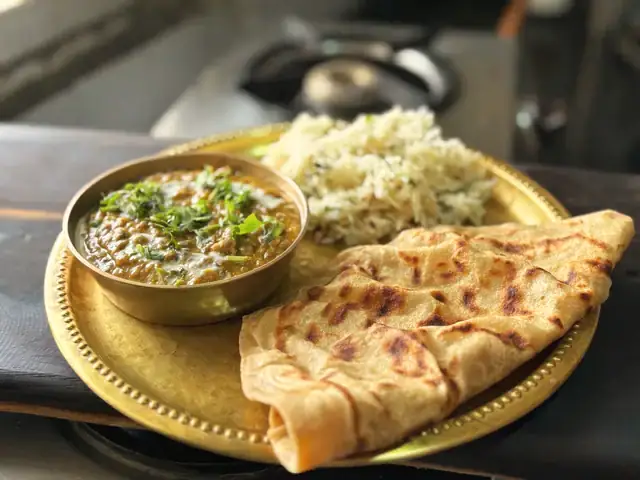
Thirty grams of protein is about two eggs, a katori of dal, two rotis and a katori of curd. Swap the eggs for 100 g of paneer to make it vegetarian. Values are approximate and vary with how each dish is cooked.
Why look at protein per meal?
A healthy adult who is not training hard needs about 0.8 g of protein per kilogram of body weight in a day, according to the guidance the ICMR-National Institute of Nutrition works from. For a 60 kg adult that is about 48 g. Many people eat most of it at dinner and very little at breakfast, so it helps to know what a meal contributes.
What does 30 g look like with eggs?
- 2 eggs: about 12 to 13 g
- 1 katori of cooked dal: about 6 to 8 g
- 2 medium rotis: about 6 g
- 1 katori of curd: about 5 g
Together that is about 30 g, on a plate that most Vizag homes would call an ordinary lunch.
What does 30 g look like if you eat vegetarian?
- 100 g of paneer: about 18 g
- 1 katori of cooked dal: about 6 to 8 g
- 2 medium rotis: about 6 g
That comes to about 31 g. Soya chunks are another option: 30 g of dry soya chunks holds about 15 g of protein.
How much protein is in a chicken or fish plate?
100 g of cooked chicken breast gives roughly 27 to 30 g on its own, so a rice and chicken curry plate often goes past 30 g. Cooked fish gives roughly 20 to 25 g per 100 g, depending on the fish.
Why do two plates with the same name have different numbers?
Gravy adds oil and water but little protein. Chicken with bone weighs more than the meat on it. Raw weight and cooked weight differ, because food loses or gains water as it cooks. The Indian Food Composition Tables from the ICMR-National Institute of Nutrition list values per 100 g of raw food, so a plate is worked out from the recipe, not copied from a table. Treat any figure as a good estimate.
Is more protein always better?
No. Some people, for example those with kidney disease, are told to limit protein. Your target should come from your doctor or dietitian. Our Know your numbers tool gives a starting estimate for a healthy adult.
See your own numbers.
Take two minutes with the calculator, or ten minutes with a dietitian. Either way, there is no pressure.